

A poem inspired by Coxlodge Waggonway and its history.
Women travelling through time
The female explorer whose name escaped me
A rich woman explorer in 1698
Celia Fiennes!
Riding side saddle through England
For wellbeing and adventure
Recording the sights
And smells of Tyneside, Newcastle, the Tyne
Coal pits everywhere
An abundance of little carriages
Yoke, oxen, pairs of horses
Transporting the coal from pits to barges
Which taints the air
And smells strongly to strangers.
The scarce women in mining
The pioneers of Kenton, of Montagu Estate
Developers
Elizabeth Montagu
Eighteenth Century
Owner of Denton Colliery
A lady of letters and leader of salons
Excited about the steam engine
Pumping water into the Tyne
Further afield
Lady Jane Clavering and daughter
Alice Viscount Windsor
Operating in Derwent Valley
The waggonway
The foundations laid.
Then the women in the fields
Nameless of course,
Watching,
Working
Further down
Creating safety, closing gates
Penning in cattle and sheep
Allowing waggons to pass.
And oh, the woman who died
Margaret Dobson, domestic servant
Riding to Bigges Main village
Decapitated on descent
As she jumped off
From her father’s waggon to Carville
By the church, perhaps further along at the farm
Gruesome
But in death she left evidence
Reported in the newspaper
Telling us there were passengers
Long before we thought
In Newcastle upon Tyne
On the first railway
And (say it quietly)
Long before Stockton and Darlington
Then the nuns in the convent,
At the end or at the beginning
Depending, but
The presence of Catholicism
Past and present
Women leading the prayers
By the side of traffic-ful roundabouts
Their graves in the new housing estate
Through the secret door.
Sinking.
And the great grandmothers
Travelling on the trams
To the countryside
For a treat and adventure
As those before
Heading out for the day to the edge of water
To see those cows
To get out in the fresh air
And now the women walking
The guerilla gardeners and litter pickers
Experienced and needed
Sorting out their heads
By conversing with strangers
And acquaintances
Out there
Immersed in nature.
And the cycling commuters
We are not many but
Look carefully, we are also present
Weaving our ways past trees and people
Nodding and smiles of recognition
Howay the lasses
The uniformed girls cycling to school
Or younger ones with mums
Learnt to cycle on the waggonway
Increasing our numbers
Bucking the trend
The new pioneers.
Lucy Grimshaw
—————-
Lucy Grimshaw is Assistant Professor at Northumbria University and has commuted from home along the Coxlodge waggonway to Coach Lane campus since 2013. This collection of poems is part of research project – Heritage and Urban Green Spaces – funded by the Urban Futures at Northumbria University which includes a case study exploring the value and use of Coxlodge waggonway. This is one of a number of poems which draw together the stories, memories and experiences that adult and child participants shared during participatory mapping workshops, a survey and school trips, with waggonway history and her own experiences mingled in.
Though Lucy is not from the north-east originally, she says that understanding the history of the place is perhaps a way of staking a claim, developing a sense of place and belonging in her adopted city. She thanks everyone who took part in the research and who appreciates the waggonway as much as she does.
—————-
You can read more about the history of the Coxlodge Wggonway here.
Heaton History Group and Shoe Tree Arts have also commissioned a song about the waggonway, which will be premiered at the ‘Hearin’ Heaton’ event at King John’s Palace in Heaton Park on Sunday 13 July and later published on this website.
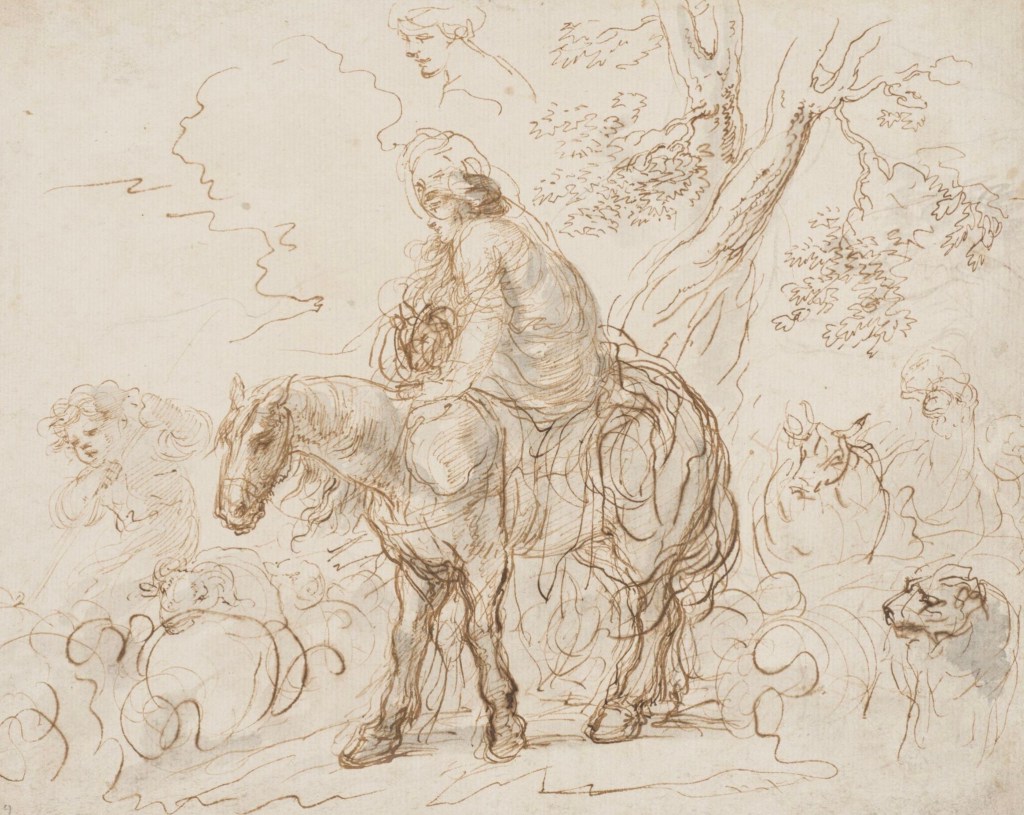

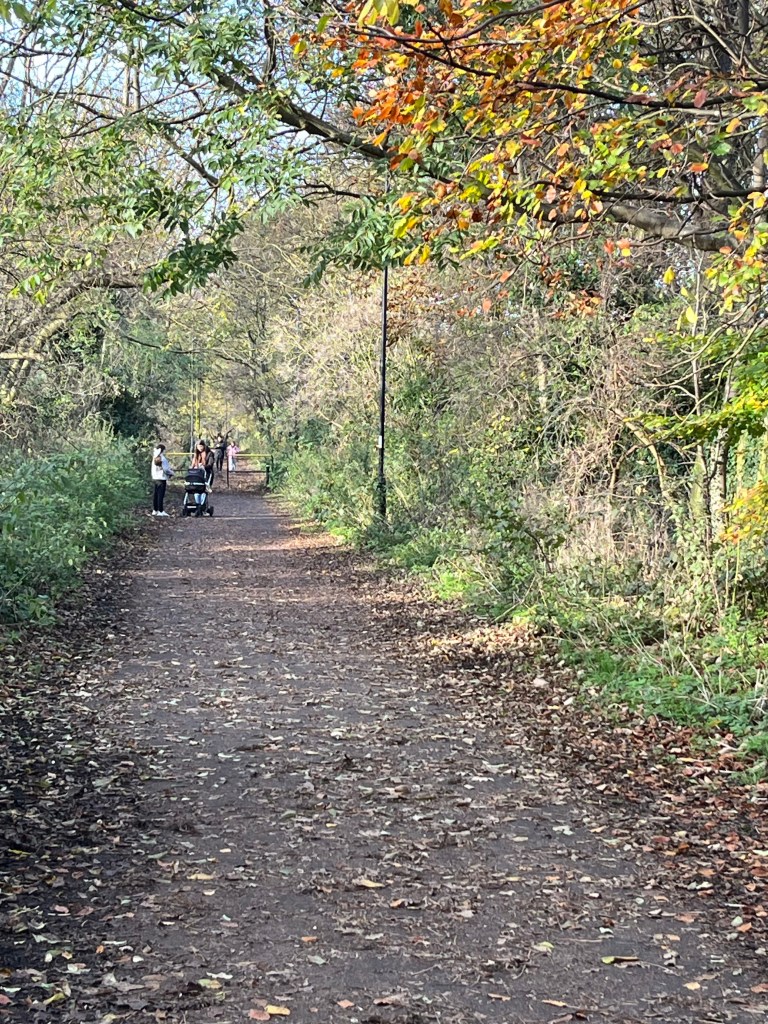
(Top – ‘A woman riding side-saddle on horseback, accompanied by a boy with a staff and by sheep, coes and a camel’ drawing by Stefano della Bella (1610-1664), Victoria and Albert Museum; Centre – ‘Women Working in Wheat Field’ sketch / study by Vincent Van Gogh (1853-1890), Van Gogh Museum, Amsterdam; Bottom – ‘Women on the Coxlodge Waggonway’ (Chris Jackson, 2024).

