

The new Heaton Quarter estate is being built on land that is particularly important in the history of Heaton and indeed Newcastle. It is on the site of East End Football Club’s Heaton Junction ground where the club that became Newcastle United played until it moved to St James Park in 1892.
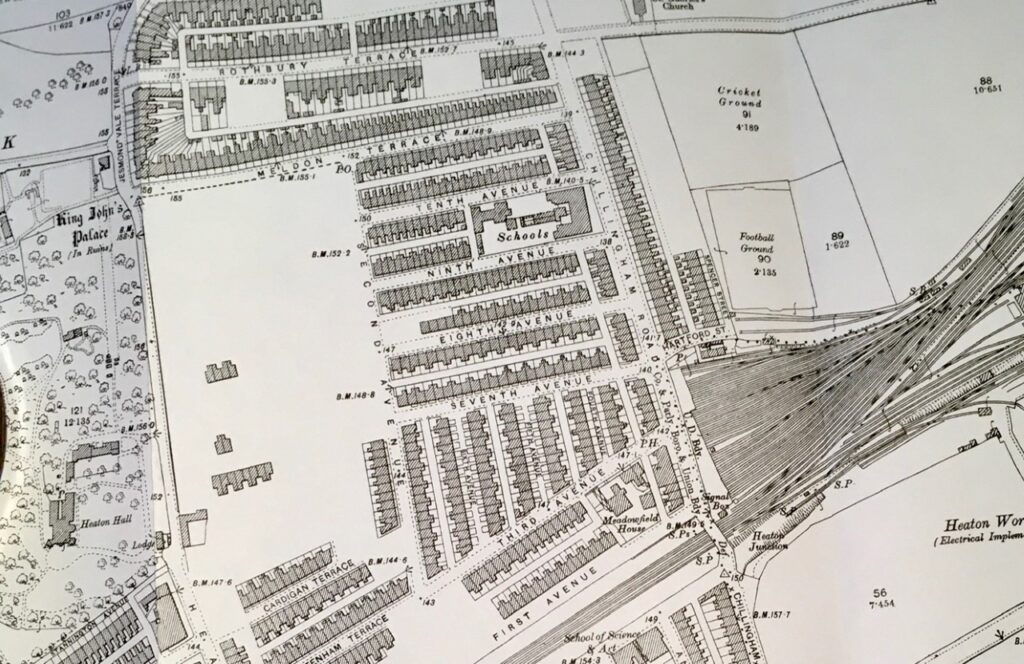
That move came about after the North East Railway Company increased its rent to £50 a year, a sum the directors believed the club couldn’t afford and so they decided to take advantage of the recent demise of West End FC and the resulting availability of St James’ Park. A few months later, the decision was made to rename the club Newcastle United.
A plaque at the entrance to the estate, produced by the developers in collaboration with Heaton History Group explains the site’s importance as a sporting and railway centre.
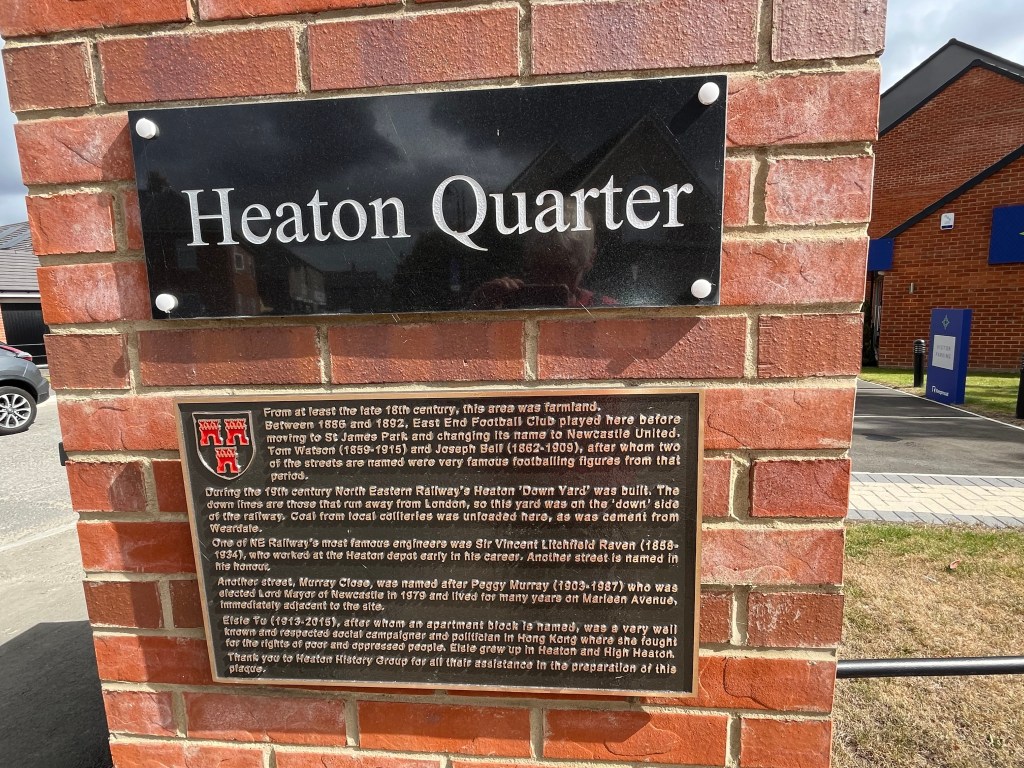
The street names emphasis the area’s history with important figures associated with this corner of Heaton commemorated.
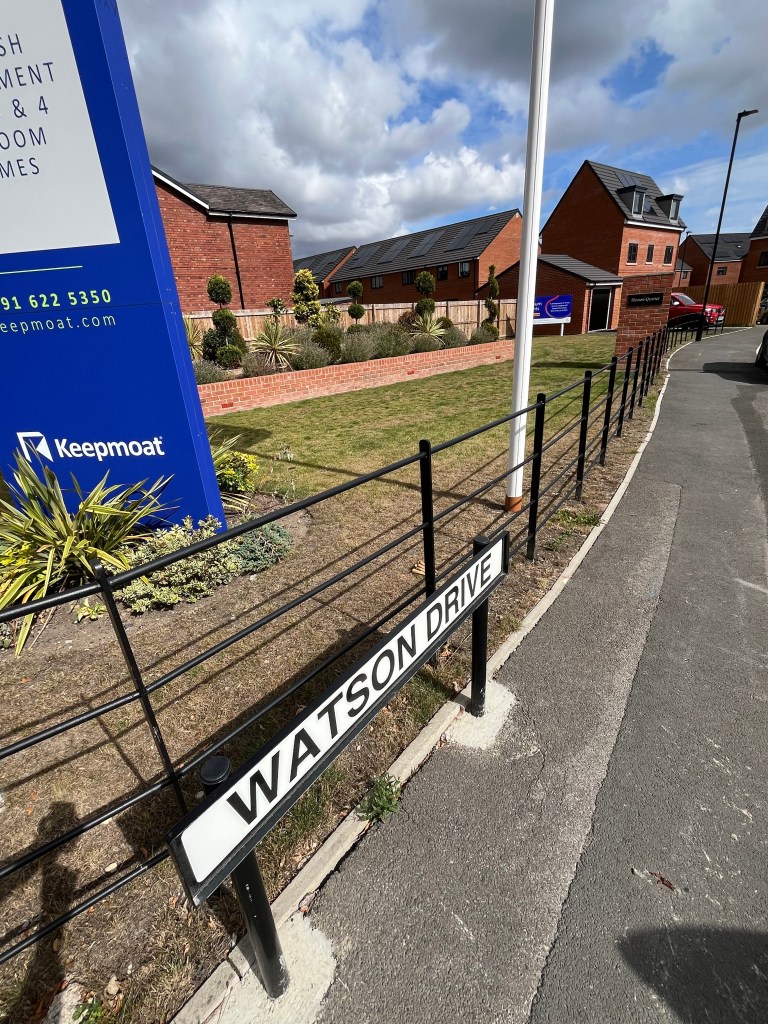
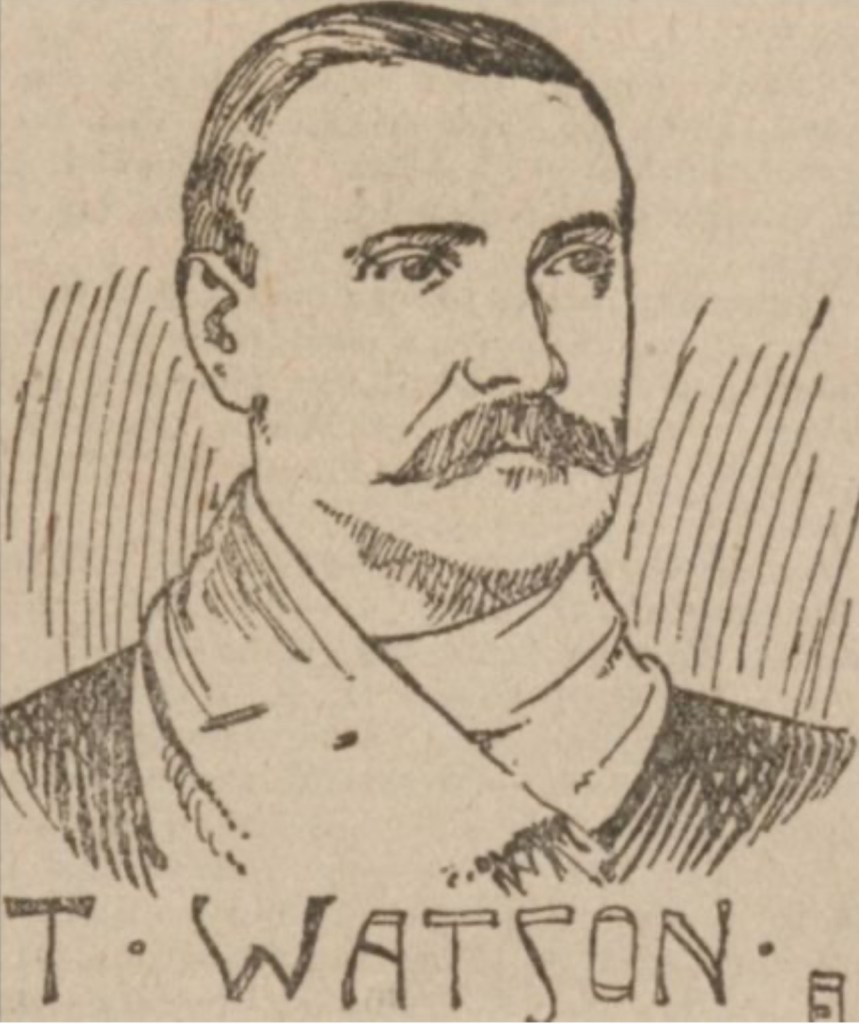
So far, there is Watson Drive, which is named after Tom Watson (1859-1915), a local man who grew up on Heaton Street in Byker and went on to become secretary of East End and West End FC before leading Sunderland to three League titles (1891-2, 1892-3 and 1894-5) and then Liverpool to two more (1900-01 and 1905-06). To date, only four men have led two different clubs to the top tier title and Watson was the first. The others in this exclusive club are Herbert Chapman (Huddersfield Town and Arsenal), Brian Clough (Derby County and Nottingham Forest) and Kenny Dalglish (Liverpool and Blackburn Rovers). Find out more.
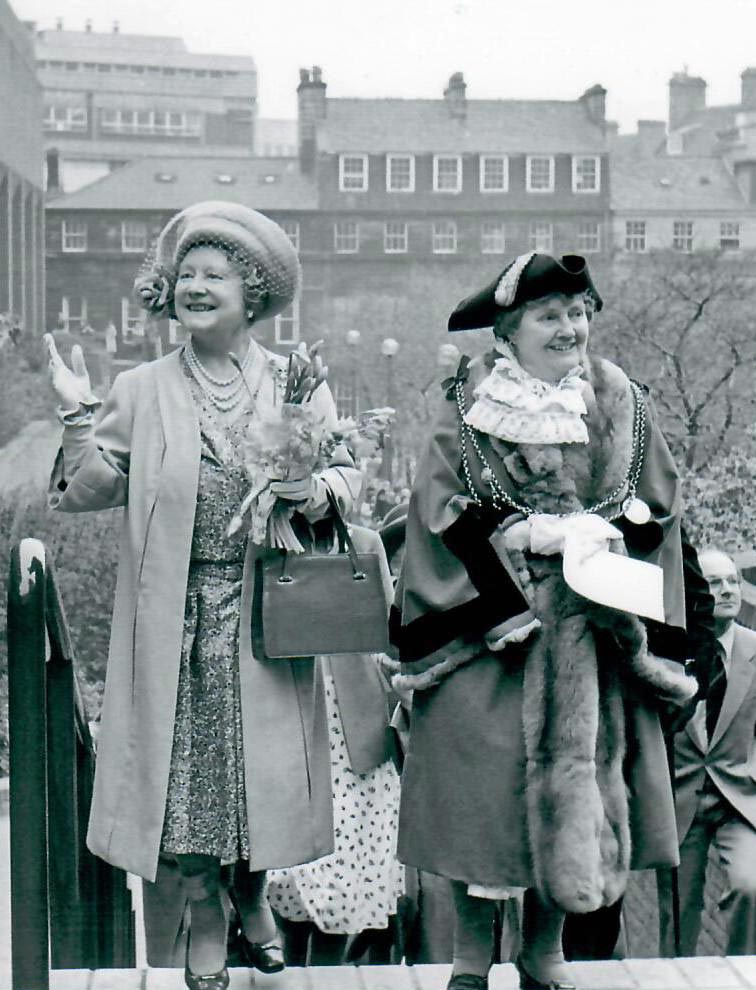
Murray Close is named after Peggy Murray (1903-1987), a former Lord Mayor of Newcastle who lived in nearby Marleen Avenue. Find out more.
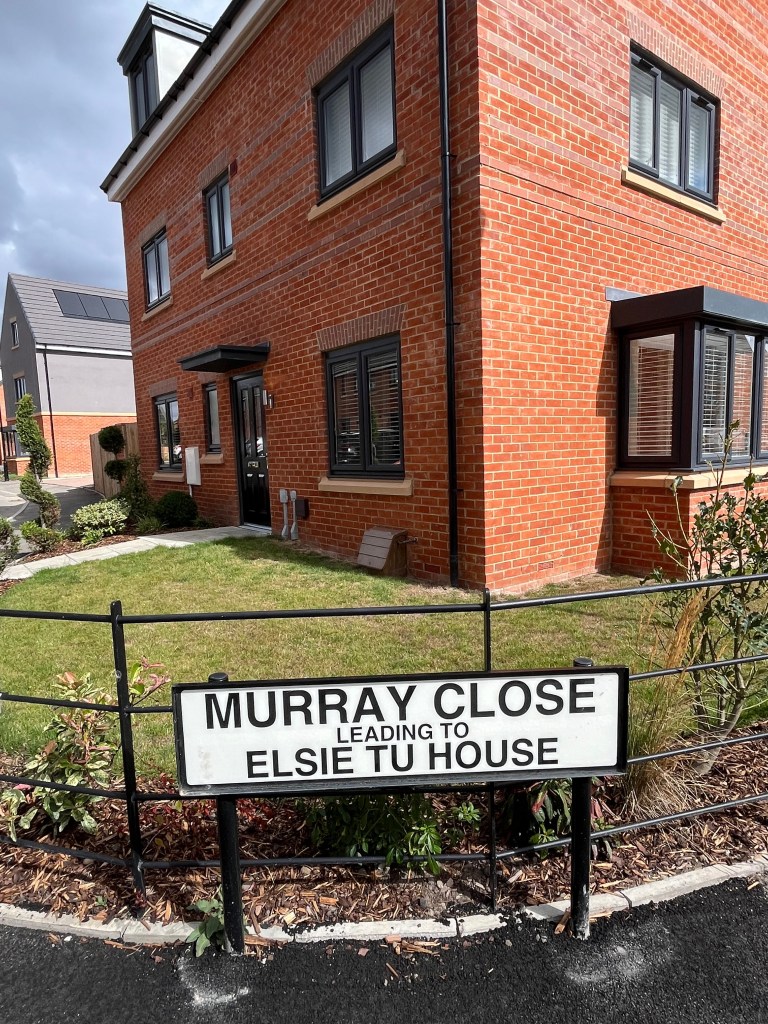
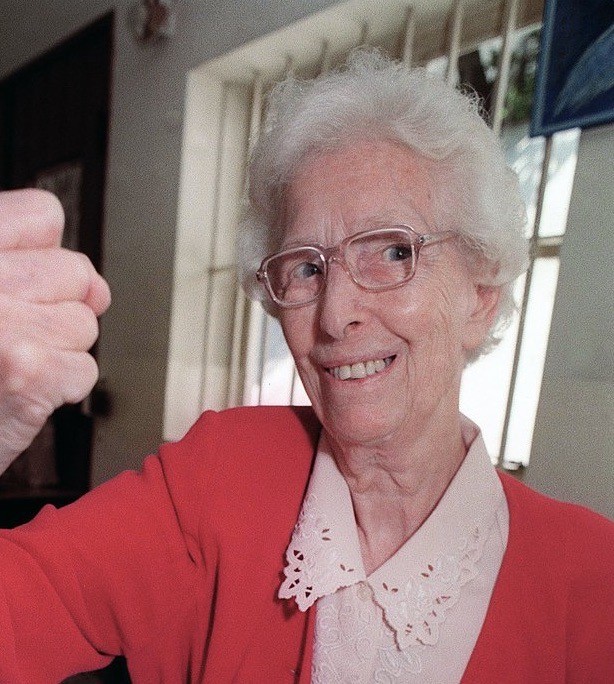
Elsie Tu House is named after Elsie Tu née Hume (1913-2015), a very prominent social campaigner and politician in Hong Kong, who lived for seven years as a child at 29 Chillingham Road, which was demolished in 1975. Find out more.
There are plans to name further roads after:
Joseph Bell (1863-1909), the East End director and later Chairman of Newcastle United at whose Rothbury Terrace Tyneside flat the historic decision was taken to move East End FC to St James’ Park. Find out more.
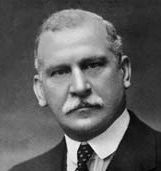
Sir Vincent Litchfield Raven (1858-1934), formerly of 30 Heaton Road, who was the last Chief Mechanical Engineer of the North Eastern Railway Company and is particularly associated with the electrification of the railways. Find out more.

Acknowledgements
Written by Chris Jackson, Heaton History Group.
Can You Help?
If you know more about any of the above or have photographs or memories to share,we’d love to hear from you. You can contact us either through this website by clicking on s mall speech bubble immediately below the article title or by emailing chris.jackson@heatonhistorygroup.org.

